






Quick Answer
Sales Training for Boston clients starts with a diagnostic review of the team's discovery habits, objection handling, and proposal follow-up consistency. Sales Training Boston maps the gaps, defines measurable outcomes, and sets scheduling before the first session — so each training block targets the specific behaviors limiting close rates.
Sales Training Boston — Sales Training in Boston
Your complete sales performance partner serving Boston, MA and throughout Suffolk County — we train, coach, and grow your revenue team.
Corporate Sales Training
We design and deliver high-impact workshop programs for sales teams of all sizes. Every program is customized to your industry, your buyers, and your goals — serving clients throughout Boston and Suffolk County.
Learn More →
One-On-One Sales Coaching
Accelerate individual rep performance with dedicated coaching sessions. From new hires to senior closers, our coaches develop the skills that move the needle for Boston sales professionals.
Learn More →
Sales Leadership Development
Strong managers build strong teams. Our leadership development programs equip Boston sales managers with the coaching frameworks, pipeline discipline, and culture tools to lead with confidence.
Learn More →
Online Sales Courses
Flexible, on-demand learning for busy Boston sales teams. Our online courses cover prospecting, objection handling, closing strategies, and CRM mastery — available anywhere, anytime.
Learn More →In Boston, corporate Sales Training · One-On-One Sales Coaching · Sales Leadership Development · Online Sales Courses
What Boston Sales Teams Are Saying
See why sales leaders across Suffolk County trust Sales Training Boston.



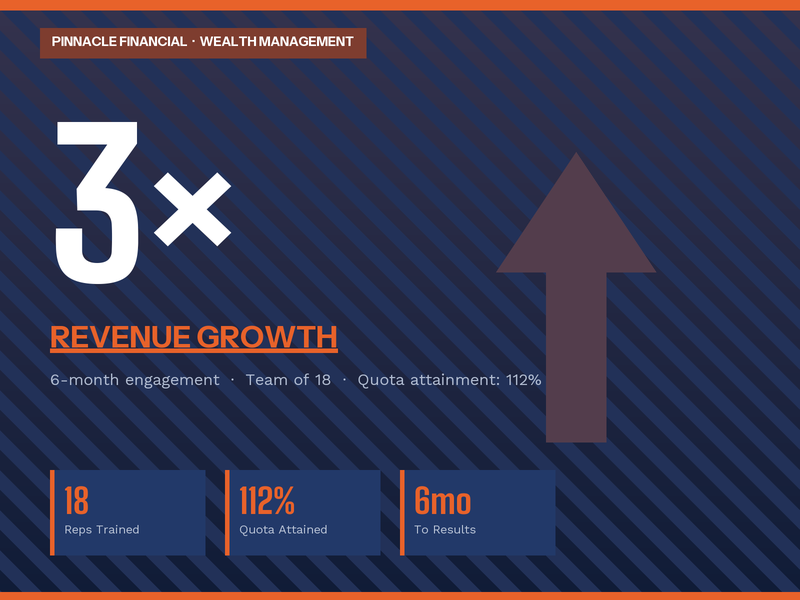
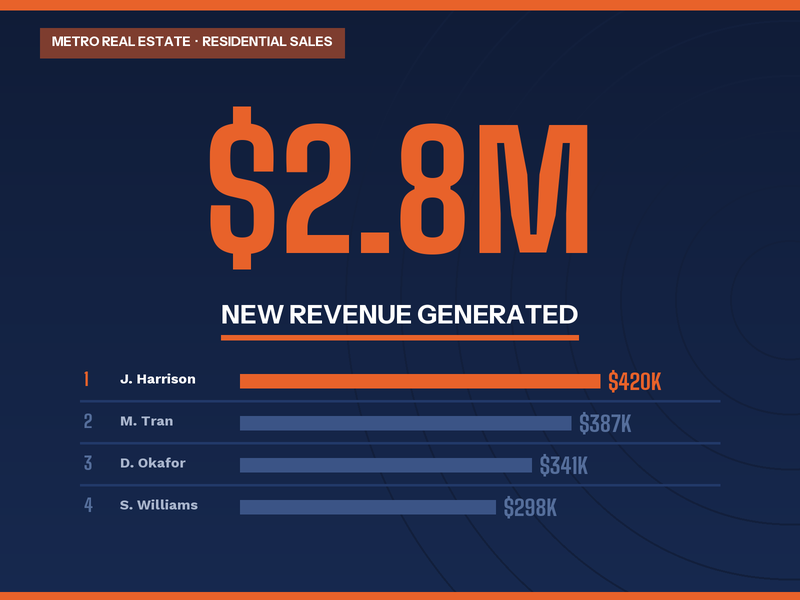
Client Success Stories
Know More →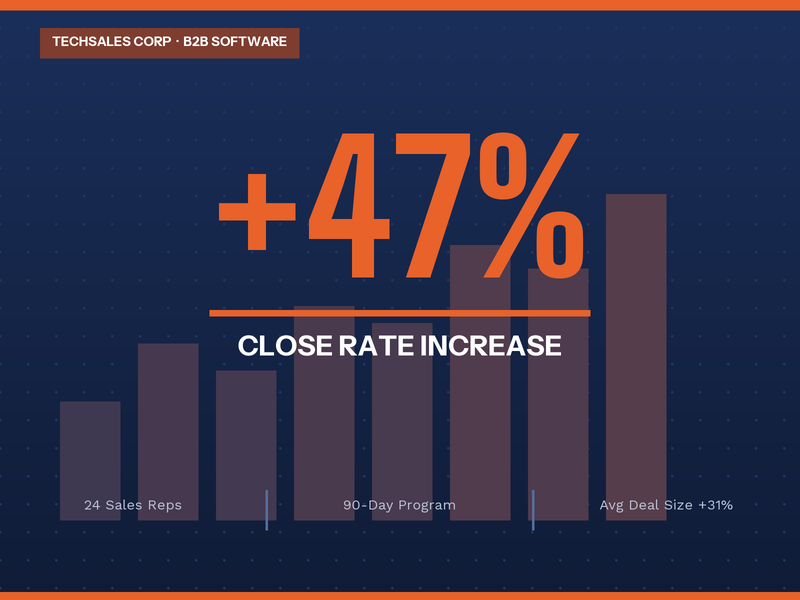
Sales Training Boston — Your Sales Performance Partner
At Sales Training Boston, we've been helping Boston businesses build elite sales teams for over a decade. We specialize in Sales Training for clients throughout Suffolk County — delivering measurable improvements in quota attainment, pipeline velocity, and revenue per rep.
Our experienced team of sales trainers, coaches, and strategists bring real-world selling experience across B2B, B2C, SaaS, professional services, and more. We don't teach theory — we teach what works in Boston, MA markets right now.
In Boston, we take pride in building lasting partnerships with our clients. Our programs are designed to drive results that last long after the training room empties — across every team in Suffolk County and beyond.
Contact Us Directly
The Sales Market in Boston
Here's what makes Boston's business environment unique and what that means for your sales strategy.
Sales Team Composition: Companies in Boston, particularly in sectors like SaaS and. These teams face unique challenges, such as inconsistent performance and varied sales methodologies. Engaging with a tailored sales training program can help standardize practices across teams, leading to improved cohesion and effectiveness.
Demand Drivers: The push for predictable revenue is a significant demand driver for sales training in Boston. Many small to mid-sized businesses, especially those in home services and B2B services, are looking to reduce reliance on a few high-performing salespeople. This creates a strong need for structured training programs that yield measurable results and foster a consistent sales culture.
Performance Metrics Focus: Boston businesses, including those in logistics and financial services, are increasingly data-driven, emphasizing sales metrics and accountability. This focus means training programs must be aligned with specific performance outcomes, such as improving close rates and reducing sales cycles. Companies are looking for training solutions that offer clear ROI and integrate seamlessly with existing CRM systems.
Consultative Selling Approach: Many local businesses, particularly in real estate and consulting, rely heavily on relationship-building and consultative selling. These firms need sales training that enhances their teams' ability to engage effectively with prospects while maintaining a professional image. Training that addresses these nuances can significantly boost conversion rates during consultations.
Timing and Budget Cycles: In Boston, businesses often align their training budgets with Q4 planning, as companies finalize their annual strategies. This period sees an uptick in requests for sales training as organizations seek to equip their teams for the upcoming year. Understanding this cycle allows providers to proactively engage potential clients and tailor offerings to meet their timing needs.
Industry-Specific Challenges: Local tech startups in Boston, particularly in the fintech sector, face rapid market changes and high competition. Sales training that is specifically designed for these industries can address the unique selling points and customer pain points that are prevalent in this dynamic environment.
Networking Opportunities: Boston is known for its strong networking culture, with numerous events and meetups. Incorporating networking skills into sales training can help businesses leverage these opportunities, enabling their sales teams to build valuable connections and partnerships that can lead to increased sales and collaborative ventures.
Industry Insights for Boston
Understanding the local competitive landscape helps us build smarter training programs for your team.
- Owner-operated businesses: Boston's owner-operated businesses, particularly in sectors like home services and B2B solutions, often seek sales training to establish structured processes. This need arises from the desire to enhance predictable revenue streams, particularly when navigating competitive landscapes. Many of these companies evaluate providers based on their ability to deliver measurable ROI and practical implementation support. The challenge often lies in scheduling training sessions around the busy operational calendar of these businesses.
- Professional services firms: Firms such as legal and consulting practices in Boston require effective sales training to improve their client conversion rates. With the median income in Boston at $89,212, these firms are under pressure to demonstrate value quickly to their clients. Consequently, they seek providers who can offer tailored training that fits into their existing frameworks. The timing of training sessions is crucial, as many firms prefer to engage in training during quieter periods to maximize impact.
- Technology and services buyers: Technology companies in Boston, particularly those within SaaS and logistics, are increasingly recognizing the need for robust sales methodologies. These buyers often face challenges with long sales cycles and inconsistent coaching across teams. They typically seek training providers who can align with their specific CRM systems and demonstrate a strong understanding of their unique sales challenges. Timing is a key factor, as many organizations plan for training during strategic planning sessions or after quarterly reviews to ensure alignment with business objectives.
- Retail sector businesses: Retailers in Boston, especially those in areas like Downtown Crossing and the Seaport District, are focused on enhancing their sales strategies to cope with changing consumer behaviors. These businesses often look for sales training that emphasizes customer engagement and relationship-building techniques. As foot traffic fluctuates throughout the year, scheduling training during off-peak hours is essential for these businesses to ensure their teams are well-prepared for busy seasons.
- Startups and emerging businesses: Boston's thriving startup ecosystem, particularly in tech and biotech, demands innovative sales training approaches. Many of these companies are in rapid growth phases and require training that not only improves sales techniques but also aligns with their agile methodologies. Training sessions are often sought after during product development cycles or investor pitch preparations, ensuring that sales teams are equipped to effectively communicate their value propositions.
Common Sales Challenges in Boston
We've seen what holds Boston sales teams back — and we know exactly how to fix it.
- Missed Timelines: In Boston, companies often find themselves facing missed timelines for training implementation, resulting in delayed sales performance improvements. This is frequently due to scheduling conflicts caused by the busy nature of the local business environment, particularly in sectors like SaaS and. When timelines are not adhered to, businesses may experience a cascading effect of lost revenue opportunities, as their teams remain underprepared to engage effectively with clients. Organizations that rely on quarterly revenue targets are particularly vulnerable to this issue.
- Unclear Scope Expectations: Many Boston-based companies encounter problems with unclear scope expectations when engaging training providers. This issue arises when training programs lack defined objectives tailored to specific organizational needs, especially for those in high-ticket service sectors like consulting and legal services. The absence of clear expectations can lead to significant budget overruns and dissatisfaction with the training outcomes, as teams may not receive the targeted skills necessary for their roles. This is particularly detrimental for businesses aiming to scale their sales efforts quickly.
- Poor Communication Throughout Engagement: Poor communication is a common failure in the engagement process for sales training programs in Boston. This can stem from a lack of structured check-ins and feedback loops between the training provider and the client organization. When communication falters, misunderstandings about the training content and objectives arise, which can lead to disengagement from sales teams. Companies in industries like manufacturing or logistics, where sales cycles are longer and more complex, may find this particularly damaging as it can stall progress and lead to missed sales opportunities.
- Vendor Credential Mismatch: Many businesses in Boston face challenges when the training provider's credentials do not align with their specific needs. This often occurs when companies fail to conduct thorough vetting of the provider’s expertise, particularly in niche markets like SaaS or financial services. The result is a mismatch that can hinder effective training delivery, leaving teams without the necessary tools to succeed. This can lead to wasted investments in training and a lack of confidence among sales representatives, ultimately affecting revenue generation.
- High Vendor Churn: High vendor churn is another significant issue for companies seeking sales training in Boston. This often occurs when organizations switch providers frequently in search of better results, driven by dissatisfaction with previous training experiences. The rapid turnover can disrupt the learning process and cause inconsistencies in sales methodologies across teams. Businesses that rely on a consistent sales approach, such as those in the real estate or marketing sectors, are particularly impacted, as they struggle to maintain a unified strategy amidst changing training providers.
Sales Training Investment in Suffolk County
What affects the cost of Sales Training for businesses in Boston, MA.
- Engagement Model Depth: The complexity of the training engagement dictates the overall investment. Companies seeking comprehensive programs may invest more due to the tailored approach and deeper involvement required from trainers. For instance, a SaaS company in Boston might need an in-depth program that includes multiple sessions and follow-up coaching, leading to higher costs. In contrast, a one-time workshop for a smaller B2B firm may be more budget-friendly but less impactful.
- Customization Requirements: Customized training sessions that cater to specific business needs can significantly affect pricing. Businesses in sectors like financial services often require specialized content, which demands more time and resources from the provider. This added complexity can lead to increased costs. For example, a legal firm in Boston may need training that focuses on compliance and regulatory nuances, resulting in a tailored program that justifies a higher investment.
- Manager Involvement: The level of engagement from management can influence the cost of training programs. Businesses that involve their leadership in the training process often see better results, but this can also increase the overall cost due to the need for additional sessions or consultations. A mid-sized manufacturing company in Boston might find that including their sales directors in the training process enhances accountability but requires more resources, thus impacting their budget.
- Measurement Expectations: Companies that prioritize measurable outcomes and accountability in their training programs may face higher costs. Businesses in Boston often seek clear KPIs to track the effectiveness of training, which can necessitate ongoing support and post-engagement follow-ups. For instance, a high-ticket service business might invest more upfront to ensure they have the tools and metrics needed to evaluate the program's ROI, thus justifying a larger budget allocation.
Sales Environment in Boston
How the Boston market landscape shapes the right approach for your sales team.
Initial Appointment Timing: Many Boston-area organizations find that the beginning of the fiscal year serves as an ideal time for initial appointments regarding sales training. This period often aligns with the establishment of new sales goals and strategies, prompting businesses to seek external expertise to bolster their teams. Scheduling these sessions early in the year can help align training with overarching business objectives.
High-priority Initiative Window: The late summer months frequently become a high-priority window for businesses looking to implement new training initiatives. With many companies assessing their performance metrics from the first half of the year, there is a noticeable uptick in demand for sales training services at this time. Many organizations recognize the need for immediate interventions to address any gaps in performance.
Quarterly Review Periods: During quarterly review periods, many Boston-area companies assess their sales performance and look for ways to improve. This timing often prompts businesses to invest in training that addresses specific challenges identified during these reviews. The need for actionable solutions drives engagement with training providers who can offer customized programs tailored to their findings.
Ongoing Engagement Demand: Throughout the year, there is ongoing demand for sales training as businesses seek continuous improvement. Many organizations in Boston prioritize regular training sessions to adapt to market changes and refine their sales processes. This ongoing engagement helps maintain a competitive edge and ensures that sales teams are consistently improving their skills.
Seasonal Sales Trends: Understanding seasonal sales trends in Boston can inform training schedules. For instance, businesses in retail may see spikes during the holiday season, necessitating targeted training just before peak sales periods. Aligning training with these trends can enhance team readiness and performance during critical sales windows.
What to Know Before You Train
Important context every Boston business should understand before committing to a sales training program.
What to Evaluate in a Provider: When selecting a training provider, Boston businesses should focus on their track record of delivering measurable results. It is vital to ask for case studies or testimonials from similar companies to gauge effectiveness. Additionally, verify that the provider can customize their approach based on your specific industry needs. Failing to assess these factors may lead to investing in generic programs that do not address your unique challenges, ultimately resulting in wasted resources.
Common Mistakes When Vetting: Many businesses in Boston overlook the importance of aligning the training content with their sales processes. It is essential to ensure that the training provider understands your company’s sales cycle and specific pain points. A common pitfall is assuming that all sales training is interchangeable, which can lead to poor engagement and retention among your team. Neglecting to analyze this alignment can result in low ROI and ongoing performance issues.
What to Demand in Writing: Establish clear expectations and deliverables in the contract with your training provider. Boston companies should demand detailed proposals that outline the scope of the training, expected outcomes, and timelines. A lack of clarity in these areas can lead to misunderstandings and unmet goals. Ensure that there are accountability measures in place to track progress; without these, the training may lack the necessary structure to drive meaningful change.
Consider Local Market Trends: Boston's unique business climate is influenced by its diverse economy, including technology, healthcare, and education sectors. Training providers should be familiar with these local market trends to offer relevant insights and strategies that resonate with your team. Engaging a provider who understands these nuances can enhance the effectiveness of the training.
Assess Post-Training Support: After training sessions, Boston businesses should inquire about ongoing support options. This may include follow-up sessions or resources that help reinforce the training content. Continued engagement with the training provider can ensure that the skills learned are effectively integrated into daily operations, maximizing the impact of the investment.
Recent Training Engagements in Boston
Real examples of what Sales Training Boston has delivered for Suffolk County clients.
Scenario: Boosting Conversion Rates for a Boston SaaS Company
Client: A mid-sized SaaS company in Boston looking to improve their sales team's effectiveness.
In Boston, Background: The company faced significant challenges with inconsistent sales conversion rates, resulting in missed quarterly targets. With a growing client base and increasing competition in the tech sector, they needed a structured approach to enhance their sales processes. The leadership team recognized that their sales reps were lacking a standardized methodology, leading to confusion and inefficiencies in their sales pipeline.
In Boston, Approach: We implemented a tailored sales training program focused on defining a clear sales methodology and enhancing follow-up practices. Our approach included hands-on workshops and live coaching sessions to ensure immediate application of learned techniques. By emphasizing accountability and CRM adoption, we aimed to create a culture of continuous improvement within the sales team. This approach allowed us to address the specific challenges the client faced while aligning the training with their existing sales processes.
In Boston, Result: The training program led to a 30% increase in conversion rates within three months, significantly boosting the company’s revenue. Additionally, the structured sales methodology fostered better collaboration among team members, resulting in improved morale and reduced turnover rates.
Scenario: Streamlining Sales Processes for a Boston Real Estate Firm
Client: A prominent real estate firm in Boston aiming to enhance their lead management and follow-up processes.
Background: The firm was struggling with managing a high volume of leads, which often fell through the cracks due to inadequate follow-up practices. As the real estate market became increasingly competitive, the firm recognized the need for a more efficient sales process to capitalize on opportunities. With a median home value of $684,900 in Boston, it was crucial for them to convert leads effectively to maintain profitability.
Approach: We customized a sales training program that focused on lead prioritization and effective communication strategies. By integrating CRM tools into their daily operations, we ensured that all leads were tracked and managed efficiently. Our hands-on workshops allowed the sales team to practice objection handling and develop tailored messaging for potential clients, which was vital to improving their engagement rates.
Result: As a result of the training, the firm reported a 40% improvement in lead conversion within four months. This increase not only enhanced their revenue but also positioned them as a competitive player in the Boston real estate market, leading to repeat business and referrals.
Scenario: Enhancing Sales Leadership for a Boston Professional Services Firm
Client: s firm in Boston seeking to develop their sales leadership capabilities.
Background: The firm had a strong reputation but faced challenges with inconsistent sales strategies across different teams. With a focus on accountability and performance metrics, the leadership team wanted to enhance their sales managers' coaching skills to drive better results. They recognized that effective sales leadership was essential for aligning the entire organization towards common sales goals.
Approach: We designed a leadership development program that emphasized coaching techniques and performance management. Through interactive workshops, we equipped the sales managers with tools to conduct effective team meetings and develop tailored coaching plans for their sales reps. This approach ensured that sales leaders could foster a culture of accountability and high performance within their teams.
Result: Within six months, the firm saw a 25% increase in overall sales performance across teams. The enhanced coaching capabilities of their sales leaders resulted in improved team cohesion and a shared commitment to achieving sales targets, ultimately driving sustained revenue growth.
Frequently Asked Questions
Answers to the most common Sales Training questions from Boston, MA businesses.
How does sales training work for SMB owners in Boston?
Sales training for SMB owners in Boston involves a tailored approach that focuses on their specific challenges, such as inconsistent sales processes and weak follow-up. The engagement typically begins with an assessment of the current sales practices, followed by customized workshops that integrate practical frameworks and live coaching. This method ensures that owners can immediately apply learned techniques to improve their sales outcomes.
What results can a sales director at a mid-sized B2B company expect from your corporate programs in Boston?
A sales director at a mid-sized B2B company can expect measurable improvements in close rates and pipeline visibility from our corporate programs in Boston. Typically, results manifest within a few months, as teams adopt a consistent sales methodology and benefit from ongoing coaching and accountability systems. Enhanced performance metrics often lead to more predictable revenue and improved team confidence.
How is your sales training different from other providers in Boston?
Our sales training differentiates itself by focusing on real-world selling environments and personalized coaching. Unlike other providers, we offer comprehensive programs that include CRM adoption and specific objection handling strategies tailored to local market dynamics. This targeted approach ensures that clients see a quicker return on investment and can adapt strategies that resonate with Boston's diverse business landscape.
What does sales training typically cost for a high-ticket service business in Boston?
For high-ticket service businesses in Boston, single-day workshops typically start at $2,500 to $5,000, while comprehensive corporate programs range from $8,000 to $25,000+. The cost varies based on the depth of coaching, team size, and specific outcomes desired. Clients receive transparent, itemized proposals to ensure clarity on pricing and services offered.
How long does a comprehensive sales training program usually take to implement in Boston?
A comprehensive sales training program typically takes several weeks to implement in Boston, depending on the size of the team and the complexity of the training modules. Initial assessments and planning sessions are crucial for aligning the program with business goals. This timeline allows for thorough training and follow-up coaching sessions to ensure lasting impact on sales performance.
How do we know if our sales team in Boston needs Sales Training?
A Boston sales team benefits most from Sales Training when the core issue is inconsistency — different reps winning for different reasons, unpredictable pipeline forecasts, or managers who are unsure what to reinforce. Sales Training Boston can help identify whether training, coaching structure, or both are the right next step.
How do managers keep Sales Training skills sharp for a Boston team after training?
After a Sales Training program in Boston, MA, managers see the most lift when they hold weekly pipeline reviews using the same framework taught in training, coach reps on specific call recordings, and tie performance metrics to the skills practiced. Sales Training Boston can provide a manager reinforcement guide as part of the program.
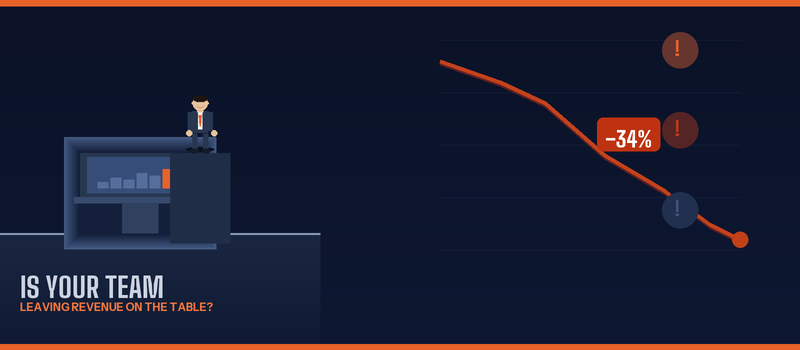
Your Sales Team May Need Training If:
Don't let an underperforming team cost you Boston revenue. Here are the telltale warning signs.
You're Consistently Missing Quota
If your Boston team is falling short of targets quarter after quarter, the problem is rarely effort — it's skill gaps and process breakdowns that structured training can fix.
High Sales Rep Turnover
In Boston, reps who don't feel equipped to win stop trying and leave. Poor onboarding and lack of ongoing development are the top two drivers of sales attrition in Suffolk County businesses.
No Consistent Sales Process
In Boston, if every rep sells differently and results vary wildly, you have a process problem, not a talent problem. A defined, trained methodology creates predictable, scalable revenue.
Losing Deals on Price
When Boston prospects say "it's too expensive" and walk, it usually means your team hasn't built enough value. The right training eliminates price as an objection before it ever comes up.
Common Questions
Answers for local customers
Service Fit & Scope
How does sales training work for SMB owners in Boston?
Sales training for SMB owners in Boston involves a tailored approach that focuses on their specific challenges, such as inconsistent sales processes and weak follow-up. The engagement typically begins with an assessment of the current sales practices, followed by customized workshops that integrate practical frameworks and live coaching. This method ensures that owners can immediately apply learned techniques to improve their sales outcomes.
What results can a sales director at a mid-sized B2B company expect from your corporate programs in Boston?
A sales director at a mid-sized B2B company can expect measurable improvements in close rates and pipeline visibility from our corporate programs in Boston. Typically, results manifest within a few months, as teams adopt a consistent sales methodology and benefit from ongoing coaching and accountability systems. Enhanced performance metrics often lead to more predictable revenue and improved team confidence.
How is your sales training different from other providers in Boston?
Our sales training differentiates itself by focusing on real-world selling environments and personalized coaching. Unlike other providers, we offer comprehensive programs that include CRM adoption and specific objection handling strategies tailored to local market dynamics. This targeted approach ensures that clients see a quicker return on investment and can adapt strategies that resonate with Boston's diverse business landscape.
What does sales training typically cost for a high-ticket service business in Boston?
For high-ticket service businesses in Boston, single-day workshops typically start at $2,500 to $5,000, while comprehensive corporate programs range from $8,000 to $25,000+. The cost varies based on the depth of coaching, team size, and specific outcomes desired. Clients receive transparent, itemized proposals to ensure clarity on pricing and services offered.
How long does a comprehensive sales training program usually take to implement in Boston?
A comprehensive sales training program typically takes several weeks to implement in Boston, depending on the size of the team and the complexity of the training modules. Initial assessments and planning sessions are crucial for aligning the program with business goals. This timeline allows for thorough training and follow-up coaching sessions to ensure lasting impact on sales performance.
Why is our sales team missing quota in Boston?
Sales teams in Boston may miss their quotas due to various factors, including ineffective lead generation strategies or inconsistent follow-up practices.
How can we improve close rates for our sales team?
Improving close rates often involves refining sales processes and ensuring your team has the necessary tools and training.
Why are deals stalling late in the pipeline?
Deals may stall due to a lack of clear communication or unresolved objections that arise during discussions.
Process, Timeline & Deliverables
How do we build a repeatable sales process for our sales leadership?
Building a repeatable sales process requires a clear framework that aligns with your company’s goals and the local market landscape.
What should sales managers be coaching their teams on?
Sales managers should focus on coaching essential skills such as effective communication, objection handling, and the use of CRM systems.
Why aren't our sales reps using the CRM properly?
If sales reps are not utilizing the CRM effectively, it may be due to a lack of training or understanding of its benefits.
Pricing, Outcomes & Next Steps
Why are prospects ghosting after proposals in Boston?
Prospects may ghost after proposals for several reasons, including unclear communication or lack of follow-up.
How do reps overcome price objections during sales calls?
Reps can overcome price objections by understanding the value proposition of their offering and effectively communicating it to prospects.
What's the best way to follow up without sounding desperate?
The best way to follow up is by providing value in your communication, such as sharing relevant insights or resources that pertain to the local Boston market.
Sales Training Tips & Performance Insights
Expert strategies to help your Boston sales team close more and earn more.
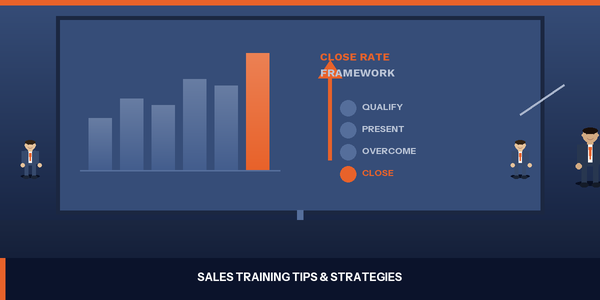
Custom Sales Training vs. Off-the-Shelf Programs: What Boston Teams Need to Know
Weighing a generic online course versus a custom-built program? It's a fair question when budget matters — but the difference in long-term results can be enormous for Suffolk County sales teams…
Read Article →
How to Build a High-Performance Sales Culture in Boston: A Complete 2026 Guide
You've hired talented reps in Boston — but if your culture doesn't reinforce the right behaviors, skills erode fast and quota attainment suffers across the whole Suffolk County team…
Read Article →
5 Signs Your Boston Sales Manager Needs Leadership Development Right Now
Your numbers may be down because your manager is managing instead of coaching. If deal reviews are just status updates and reps aren't growing, your Suffolk County team has a leadership gap…
Read Article →Why Boston Businesses Choose Sales Training Boston
If: A business in Boston has inconsistent follow-up, weak objection handling, missed quota, or reps using a different process on every call.
Then: Sales Training Boston helps the team build a repeatable sales process with clearer discovery, stronger qualification, and better accountability.
Why: Customers in Boston and nearby Suffolk County communities need sales conversations that feel consultative, organized, and easy to trust.
How: The work focuses on live coaching, role-play, pipeline reviews, objection handling practice, and sales manager accountability for businesses across Suffolk County, including areas near Fenway Park and Boston Common.
Serving Boston and Suffolk County
Sales Training Boston provides Sales Training services throughout Boston, MA 02125.
Current Weather in Boston
Local Weather
Currently 53°F and partly cloudy with winds at 2 mph (as of 2026-05-22)
Find Us in Boston
📍 Directions to Boston, MA
🚗 Driving Directions
I-90 (Mass Pike) (Exit 24):
- Take the exit and keep left onto Dorchester Avenue
- Continue on Dorchester Avenue, then keep right
- Turn left onto Dorchester Avenue
- Arrive in Boston, MA
Quick Contact
Boston, MA 02125
We provide Sales Training services throughout Boston, MA. Our service area covers all of Suffolk County and extends to neighboring communities.
Have a Question? We're Ready to Help.
Contact Sales Training Boston today for a free, no-obligation strategy session on your Sales Training program in Boston, MA. Call us at 508-561-8276 or reach out below.