






Quick Answer
Sales Training for Boston clients starts with a diagnostic review of the team's discovery habits, objection handling, and proposal follow-up consistency. Sales Training Boston maps the gaps, defines measurable outcomes, and sets scheduling before the first session — so each training block targets the specific behaviors limiting close rates.
Sales Training Boston — Sales Training in Boston
Your complete sales performance partner serving Boston, MA and throughout Suffolk County — we train, coach, and grow your revenue team.
Corporate Sales Training
We design and deliver high-impact workshop programs for sales teams of all sizes. Every program is customized to your industry, your buyers, and your goals — serving clients throughout Boston and Suffolk County.
Learn More →
One-On-One Sales Coaching
Accelerate individual rep performance with dedicated coaching sessions. From new hires to senior closers, our coaches develop the skills that move the needle for Boston sales professionals.
Learn More →
Sales Leadership Development
Strong managers build strong teams. Our leadership development programs equip Boston sales managers with the coaching frameworks, pipeline discipline, and culture tools to lead with confidence.
Learn More →
Online Sales Courses
Flexible, on-demand learning for busy Boston sales teams. Our online courses cover prospecting, objection handling, closing strategies, and CRM mastery — available anywhere, anytime.
Learn More →Corporate Sales Training · One-On-One Sales Coaching · Sales Leadership Development · Online Sales Courses
What Boston Sales Teams Are Saying
See why sales leaders across Suffolk County trust Sales Training Boston.



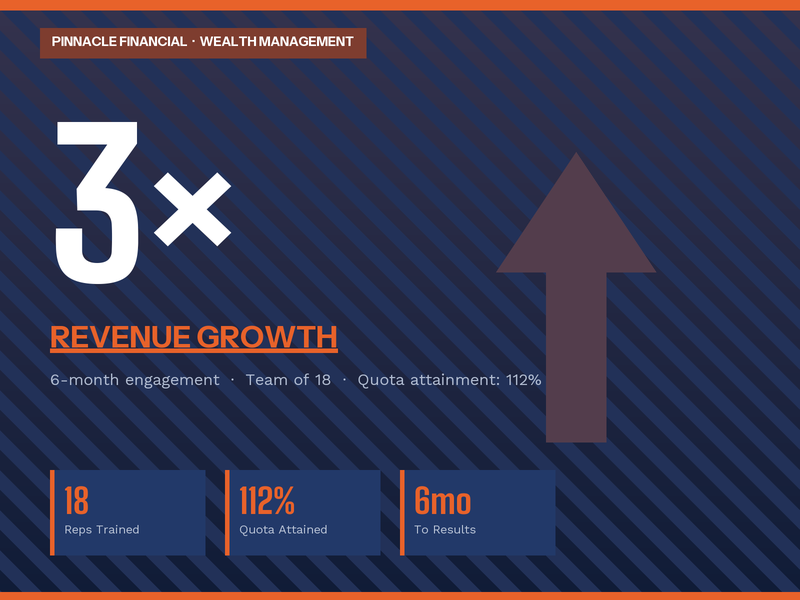
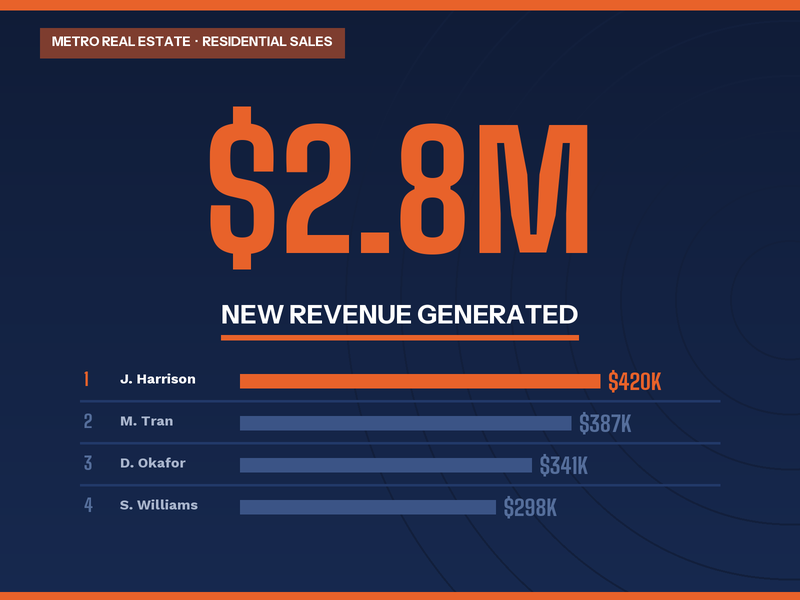
Client Success Stories
Know More →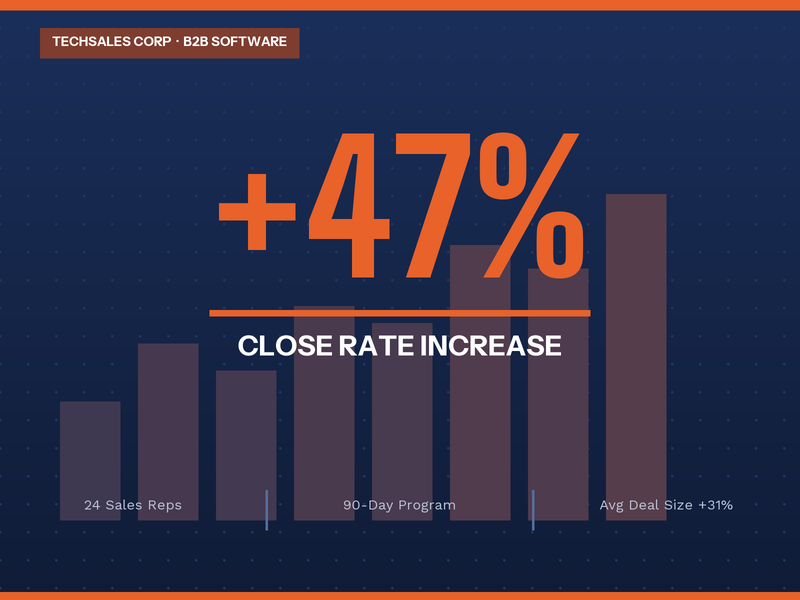
Sales Training Boston — Your Sales Performance Partner
At Sales Training Boston, we've been helping Boston businesses build elite sales teams for over a decade. We specialize in Sales Training for clients throughout Suffolk County — delivering measurable improvements in quota attainment, pipeline velocity, and revenue per rep.
Our experienced team of sales trainers, coaches, and strategists bring real-world selling experience across B2B, B2C, SaaS, professional services, and more. We don't teach theory — we teach what works in Boston, MA markets right now.
In Boston, we take pride in building lasting partnerships with our clients. Our programs are designed to drive results that last long after the training room empties — across every team in Suffolk County and beyond.
Contact Us Directly
The Sales Market in Boston
Here's what makes Boston's business environment unique and what that means for your sales strategy.
Active Client Industries: In Boston, businesses across various sectors actively seek sales training services to enhance their teams. Notably, companies in B2B services, insurance, and staffing are prominent buyers, often looking to standardize their sales processes. As competition intensifies, these organizations require tailored training that addresses their unique challenges, such as inconsistent pipelines and weak follow-up practices.
Demand Drivers: The demand for sales training in Boston is significantly influenced by the high concentration of small to mid-sized businesses. With a median household income of $89,212, many companies are investing in measurable ROI through training programs that promise to improve conversion rates. Local businesses are increasingly aware that effective sales strategies can lead to predictable revenue streams, making training investments a priority.
Buyer Profile: Decision-makers in Boston typically include growth-focused SMB owners and sales directors from mid-sized firms. These individuals often manage teams of 8 to 50 sales representatives, navigating the complexities of coaching and accountability. Their focus is on creating repeatable sales methodologies that can be implemented throughout their organizations, ensuring consistent performance across all sales channels.
In Boston, Key Segments: High-ticket service providers, such as those in real estate and consulting, represent a vital segment for sales training services. These companies often rely heavily on consultations and relationship selling, highlighting the need for effective objection handling and follow-up processes. As they face increasing competition, these businesses are motivated to enhance their sales systems to improve client conversion rates.
Decision Criteria: When evaluating sales training providers, Boston businesses consider factors such as session structure, expected outcomes, and pricing transparency. They prioritize vendors who can articulate clear deliverables and demonstrate a thorough understanding of their specific sales challenges. This clarity is essential for building trust and ensuring that the training aligns with their operational goals.
Industry Insights for Boston
Understanding the local competitive landscape helps us build smarter training programs for your team.
- Mid-market companies: Boston's mid-market companies, particularly in sectors like B2B services and insurance, often seek customized sales training to address inconsistent sales performance. Their decision-making process is typically driven by the need for measurable ROI, as many struggle with natural sales talent and require structured systems for onboarding new sales staff. Access to pertinent decision-makers can be challenging due to their busy schedules, which may delay the engagement timeline.
- Owner-operated businesses: Owner-operated businesses in Boston, particularly in home services and professional consulting, frequently require sales training to improve follow-up practices and conversion rates. These businesses often evaluate providers based on their ability to deliver practical frameworks that can be implemented immediately. The timing of their engagement is influenced by their operational capacity and the availability of key stakeholders, which may limit their ability to commit during peak operational periods.
- Technology and services buyers: Companies in Boston's technology and service sectors often look for tailored training programs to address specific sales challenges within their teams. Given the competitive nature of these industries, they prioritize providers who can demonstrate a clear understanding of their unique sales processes. Demand for these training services can fluctuate based on internal review cycles and budget approvals, making timing critical for successful implementation.
- Healthcare organizations: Boston's healthcare organizations, particularly hospitals and clinics, often seek sales training to enhance their outreach and engagement with potential partners. These organizations typically require training that aligns with regulatory standards and best practices, ensuring that their teams can effectively communicate value propositions while adhering to compliance. The urgency for training often aligns with new service rollouts and initiatives aimed at improving patient care.
- Educational institutions: Local universities and colleges in Boston frequently engage in partnerships that require sales training focused on program enrollment and donor engagement. These institutions look for training that helps staff articulate the benefits of their programs effectively and build relationships with prospective students and alumni. The academic calendar significantly influences their training schedules, as they aim to align sessions with enrollment cycles.
Common Sales Challenges in Boston
We've seen what holds Boston sales teams back — and we know exactly how to fix it.
- Missed Appointment Scheduling: In Boston, businesses often face difficulties in coordinating training sessions due to conflicting schedules among key stakeholders. This misalignment can arise from the high demands of local industries, particularly in sectors like B2B services and. When appointments are missed or scheduled incorrectly, organizations risk losing valuable training time, leading to stagnated sales performance and frustration among team members. Companies with dynamic sales teams are particularly vulnerable to this issue.
- Unclear Scope of Training Expectations: Many organizations in Boston fail to clearly define their training needs before engaging a provider. This often stems from a lack of internal alignment on objectives, especially in companies with multiple decision-makers, such as mid-sized B2B firms. When the scope of training is not well articulated, it can result in misaligned expectations, wasted resources, and ultimately, a failure to achieve desired sales outcomes. Companies aiming to improve their sales processes often encounter this problem.
- Poor Communication During Engagement: Effective communication is critical for successful training outcomes, yet many businesses in Boston struggle with this aspect. This challenge can be attributed to the fast-paced nature of local industries, where teams are often overwhelmed with daily operations, leading to lapses in communication with training providers. When communication breaks down, it can result in misunderstandings regarding training content and delivery, ultimately diminishing the effectiveness of the training. This issue commonly affects organizations in high-ticket service sectors, where consultative selling is key.
- Vendor Credential Mismatch: Boston's competitive landscape requires organizations to select training providers with the right expertise. However, some companies may overlook the importance of vetting credentials, leading to engagements with vendors who lack relevant experience or industry knowledge. This oversight can cause significant setbacks, as teams may receive training that does not address their specific challenges, resulting in poor ROI and minimal impact on sales performance. This issue is particularly prevalent among growth-focused SMBs that are new to structured training.
- Wasted Budget on Ineffective Training: Businesses in Boston often allocate substantial budgets for sales training without fully understanding the return on investment. This situation is exacerbated by the pressure to achieve immediate results, leading to hasty decisions in selecting training providers. When organizations invest in ineffective training solutions, they not only waste financial resources but also miss opportunities for meaningful growth and sales improvement. Companies with inconsistent sales processes are especially at risk of falling into this trap.
Sales Training Investment in Suffolk County
What affects the cost of Sales Training for businesses in Boston, MA.
- Scope and Engagement Complexity: The complexity of the training program significantly influences pricing. Businesses in Boston often require customized training tailored to their specific sales processes and team dynamics. This complexity can lead to higher costs due to the need for in-depth assessments and tailored content. Companies with larger sales teams, particularly in high-ticket sectors like consulting and legal services, may experience greater investment due to the extensive customization required to ensure relevance and effectiveness.
- Turnaround and Timeline Demands: The urgency of training implementation can affect pricing as well. Boston companies may demand rapid deployment of training programs to align with quarterly goals or product launches. This urgency can lead to increased costs due to compressed timelines, requiring additional resources to meet tight deadlines. Organizations, particularly those in the tech sector, often feel this impact as they strive to equip their teams quickly to capitalize on market opportunities.
- Ongoing vs. Project-Based Engagement Models: The choice between ongoing training support and one-time workshops can lead to significant pricing variations. Businesses that opt for continuous engagement often benefit from sustained improvement and accountability, but this model generally requires a higher investment. Firms in industries such as SaaS, which rely on long-term client relationships, may prioritize ongoing training to enhance team performance consistently, leading to a more substantial budget allocation.
- Team Size and Organizational Maturity: The size of the sales team and the maturity of the organization play crucial roles in determining costs. Larger teams often necessitate more extensive training programs, impacting overall pricing. Additionally, companies with less mature sales processes may require foundational training, which can be more resource-intensive. Businesses in Boston, particularly in sectors like manufacturing and logistics, might find their investment levels vary significantly based on these factors, as they seek to optimize their sales effectiveness.
Sales Environment in Boston
How the Boston market landscape shapes the right approach for your sales team.
Onboarding complexity: Many teams often find that their onboarding processes can be complex, leading to delays in engaging with sales training services. This complexity arises from the need to align multiple stakeholders and finalize budget approvals before committing to a program. As a result, businesses may look to schedule training sessions during quieter periods when team members are more available.
Stakeholder availability: Organizations commonly experience challenges in securing stakeholder availability for training sessions, especially during peak project periods. This can lead to postponed engagements, as teams prioritize ongoing client work over training initiatives. Identifying windows where key decision-makers are free is crucial for a successful training rollout.
In Boston, Initial appointment timing: The timing for initial appointments with training providers can vary significantly based on the internal review cycles of businesses. Some organizations prefer to engage during slower sales months, allowing them to focus on training without the distraction of high sales activity. This variance can affect how quickly a training program can be initiated.
Follow-up and review phases: Many businesses often plan their follow-up and review phases for training sessions during quarterly planning meetings. This timing allows them to assess the effectiveness of the training and make necessary adjustments to their sales strategies. Consequently, aligning training sessions with these internal review periods can enhance the overall impact of the training.
Local Market Conditions: In Boston, fluctuating market conditions can impact the urgency and focus of training initiatives. Businesses must stay attuned to local economic trends, such as shifts in consumer behavior or emerging industries, which can affect the timing and content of their sales training programs.
Seasonal Considerations: Boston's seasonal business cycles, including the impact of tourism on certain sectors, should be factored into training schedules. Understanding these cycles can help organizations choose optimal training times that align with their operational rhythms.
What to Know Before You Train
Important context every Boston business should understand before committing to a sales training program.
What to Evaluate in a Provider: When selecting a sales training provider, Boston businesses should assess the provider's ability to deliver customized solutions that align with their specific sales challenges. Look for evidence of previous successes in similar industries and ask for case studies that demonstrate measurable outcomes. This evaluation process should include examining the provider's approach to accountability and follow-up, ensuring they offer structured support beyond the initial training sessions.
Common Mistakes When Vetting: Many companies overlook the importance of clear communication regarding expectations and deliverables. In Boston's competitive environment, failing to establish defined goals and success metrics can lead to misalignment and dissatisfaction with the training outcomes. Ensure that potential providers present a transparent plan that outlines how they will measure success and adapt their approach based on feedback and results.
What to Demand in Writing: It's essential to have a formal agreement that specifies the scope of the training, including timelines, deliverables, and accountability measures. Boston firms should demand clarity on how ongoing support will be structured, including follow-up sessions and progress evaluations. This written commitment helps mitigate risks associated with vague promises and ensures that both parties have a clear understanding of the training program's objectives and expected outcomes.
Local Industry Insights: Understanding the unique challenges faced by Boston's local businesses, such as navigating the tech startup landscape or adapting to the evolving finance sector, can significantly enhance training effectiveness. Providers should be able to demonstrate familiarity with these local dynamics and tailor their methodologies accordingly.
Networking Opportunities: Engaging with a training provider that offers networking opportunities with other local businesses can be invaluable. Boston's business ecosystem thrives on collaboration, and sharing insights with peers can lead to richer learning experiences and more practical applications of the training content.
Recent Training Engagements in Boston
Real examples of what Sales Training Boston has delivered for Suffolk County clients.
Scenario: Enhancing Sales Processes for a Mid-Market B2B Firm in Boston
Client: A mid-market B2B service provider in Boston specializing in digital marketing solutions.
Background: The firm faced challenges with inconsistent sales performance and a lack of standardized processes. Their sales team, consisting of 20 representatives, struggled with converting leads generated through their marketing efforts. With quarterly revenue targets approaching, the client needed a structured training program to improve their sales techniques and streamline their processes before the end of the fiscal quarter.
In Boston, Approach: We implemented a tailored sales training program that included both theoretical frameworks and live coaching sessions. The program focused on establishing a repeatable sales methodology and enhancing objection handling skills. By integrating their existing CRM system into the training, we ensured that the team could apply learned techniques directly to their daily activities, which helped align their efforts with organizational goals.
In Boston, Result: The firm saw a 30% increase in lead conversion rates within three months of implementing the training. This not only boosted their quarterly revenue but also improved the overall confidence and efficiency of their sales team, leading to higher retention rates for both employees and clients.
Scenario: Streamlining Sales Onboarding for a High-Ticket Service Provider in Boston
Client: A high-ticket service provider in Boston, offering consulting services to corporate clients.
Background: The company was experiencing rapid growth but struggled to onboard new sales representatives effectively. New hires were often left without clear guidance, leading to slow ramp-up times and missed sales opportunities. With a median household income of $89,212 in Boston, the client recognized the need for a structured onboarding program that would maximize the potential of their new team members quickly.
In Boston, Approach: We designed a comprehensive onboarding program that included role-playing exercises, mentorship from experienced sales leaders, and tailored training modules. This program was structured to not only familiarize new hires with the company’s sales process but also to instill confidence in their selling abilities. The goal was to ensure new representatives could engage effectively with prospects and close deals sooner.
Result: Following the implementation of the onboarding program, the average time for new sales reps to reach full productivity was reduced from six months to just three. This efficiency translated into a 25% increase in sales within the first quarter post-onboarding, significantly enhancing the company’s revenue performance and market presence.
Scenario: Boosting Closing Rates for a Boston-Based Insurance Agency
Client: A Boston-based insurance agency seeking to improve their closing rates on new client proposals.
In Boston, Background: The agency had a talented team of 15 sales agents, yet they faced challenges with closing rates that were below industry standards. Potential clients often expressed concerns about pricing and the perceived value of their services. With increasing competition in the insurance sector, the agency needed a targeted training approach to address these gaps and enhance their proposal strategies.
In Boston, Approach: We conducted an in-depth analysis of their current sales process and identified key areas for improvement. The training program focused on developing persuasive communication skills, refining value proposition statements, and enhancing follow-up strategies. By incorporating real-life case studies from the agency’s past proposals, we ensured that the training was directly relevant and actionable for the sales team.
Result: As a result of the training, the agency experienced a 40% increase in their closing rates over the next quarter. This improvement not only contributed to a significant boost in revenue but also reinforced the agency's reputation as a competitive player in the Boston insurance market, leading to more referrals and repeat business.
Frequently Asked Questions
Answers to the most common Sales Training questions from Boston, MA businesses.
How does sales training work for small service businesses in Boston?
Sales training for small service businesses in Boston typically begins with a comprehensive needs assessment to identify specific challenges. This is followed by tailored workshops that focus on practical sales techniques, accountability systems, and live coaching sessions. The goal is to ensure measurable improvements in areas like closing rates and lead follow-up processes.
What results can a mid-sized B2B company expect from sales coaching in Boston?
Mid-sized B2B companies in Boston can expect significant improvements in their sales metrics after engaging in a coaching program. Typically, businesses see enhanced conversion rates and more structured follow-up processes within three to six months. This structured approach helps in creating a consistent revenue performance and reduces the reliance on individual sales stars.
How is your sales training different from other providers in Boston?
Our sales training differs from competitors in Boston through a focus on real-world applications and customizable frameworks tailored to each business's unique needs. We emphasize accountability and continuous improvement, ensuring that teams not only learn but also implement effective sales strategies. This practical approach leads to quicker ROI and lasting changes in sales performance.
What does sales training typically cost for a small business in Boston?
For small businesses in Boston, single-day workshops typically start at $2,500 to $5,000, while more comprehensive corporate programs can range from $8,000 to $25,000. Costs may vary based on the depth of training, number of participants, and specific customization required. Businesses should consider these factors when budgeting for effective training solutions.
How long does a comprehensive sales training program take to implement?
A comprehensive sales training program usually spans several weeks to a few months, depending on the complexity and depth of the training. Initial assessments and planning take about two weeks, followed by interactive workshops and ongoing coaching sessions. This timeline allows teams to absorb the material and apply it effectively in their sales processes.
What specific challenges do Boston businesses face in sales?
Many businesses in Boston encounter unique challenges such as intense local competition and a diverse customer base. These factors necessitate specialized sales training that addresses local market dynamics, helping teams to refine their approaches and better connect with potential clients.
How can sales training help teams adapt to Boston's market trends?
Sales training equips teams with the tools to stay ahead of market trends in Boston, such as the rise of digital engagement and changing consumer behaviors. By focusing on adaptive sales techniques, businesses can improve their responsiveness and better meet the evolving needs of their customers.
How do we know if our sales team in Boston needs Sales Training?
A Boston sales team benefits most from Sales Training when the core issue is inconsistency — different reps winning for different reasons, unpredictable pipeline forecasts, or managers who are unsure what to reinforce. Sales Training Boston can help identify whether training, coaching structure, or both are the right next step.
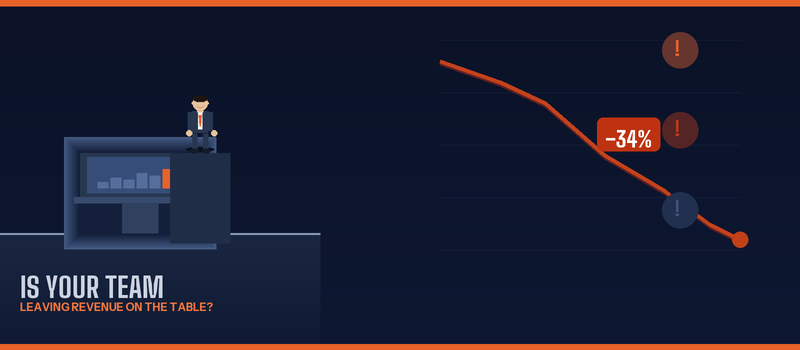
Your Sales Team May Need Training If:
Don't let an underperforming team cost you Boston revenue. Here are the telltale warning signs.
You're Consistently Missing Quota
If your Boston team is falling short of targets quarter after quarter, the problem is rarely effort — it's skill gaps and process breakdowns that structured training can fix.
High Sales Rep Turnover
In Boston, reps who don't feel equipped to win stop trying and leave. Poor onboarding and lack of ongoing development are the top two drivers of sales attrition in Suffolk County businesses.
No Consistent Sales Process
In Boston, if every rep sells differently and results vary wildly, you have a process problem, not a talent problem. A defined, trained methodology creates predictable, scalable revenue.
Losing Deals on Price
When Boston prospects say "it's too expensive" and walk, it usually means your team hasn't built enough value. The right training eliminates price as an objection before it ever comes up.
Common Questions
Answers for local customers
Service Fit & Scope
How does sales training work for small service businesses in Boston?
Sales training for small service businesses in Boston typically begins with a comprehensive needs assessment to identify specific challenges. This is followed by tailored workshops that focus on practical sales techniques, accountability systems, and live coaching sessions. The goal is to ensure measurable improvements in areas like closing rates and lead follow-up processes.
What results can a mid-sized B2B company expect from sales coaching in Boston?
Mid-sized B2B companies in Boston can expect significant improvements in their sales metrics after engaging in a coaching program. Typically, businesses see enhanced conversion rates and more structured follow-up processes within three to six months. This structured approach helps in creating a consistent revenue performance and reduces the reliance on individual sales stars.
How is your sales training different from other providers in Boston?
Our sales training differs from competitors in Boston through a focus on real-world applications and customizable frameworks tailored to each business's unique needs. We emphasize accountability and continuous improvement, ensuring that teams not only learn but also implement effective sales strategies. This practical approach leads to quicker ROI and lasting changes in sales performance.
What does sales training typically cost for a small business in Boston?
For small businesses in Boston, single-day workshops typically start at $2,500 to $5,000, while more comprehensive corporate programs can range from $8,000 to $25,000. Costs may vary based on the depth of training, number of participants, and specific customization required. Businesses should consider these factors when budgeting for effective training solutions.
How long does a comprehensive sales training program take to implement?
A comprehensive sales training program usually spans several weeks to a few months, depending on the complexity and depth of the training. Initial assessments and planning take about two weeks, followed by interactive workshops and ongoing coaching sessions. This timeline allows teams to absorb the material and apply it effectively in their sales processes.
What specific challenges do Boston businesses face in sales?
Many businesses in Boston encounter unique challenges such as intense local competition and a diverse customer base. These factors necessitate specialized sales training that addresses local market dynamics, helping teams to refine their approaches and better connect with potential clients.
How can sales training help teams adapt to Boston's market trends?
Sales training equips teams with the tools to stay ahead of market trends in Boston, such as the rise of digital engagement and changing consumer behaviors. By focusing on adaptive sales techniques, businesses can improve their responsiveness and better meet the evolving needs of their customers.
Why is our sales team missing quota in Boston?
Missing quotas can often be attributed to inconsistent sales processes or inadequate training. Many Boston-based companies face challenges related to seasonal market fluctuations that can impact sales performance, making it crucial to implement.
How can we improve close rates for our sales team?
Improving close rates often involves refining your sales pitch and training on objection handling. In Boston’s competitive market, tailoring your approach to local industries and understanding customer needs can make a significant difference.
Why are deals stalling late in the pipeline?
Deals often stall due to a lack of follow-up or insufficient communication during the decision-making process.
Process, Timeline & Deliverables
How do we build a repeatable sales process in our organization?
To establish a repeatable sales process, start by defining clear stages of your sales cycle and training your team accordingly. This structure is vital in Boston’s diverse market, where different industries may require tailored approaches to sales.
What should sales managers be coaching their teams on?
Sales managers should focus on coaching their teams on effective communication and objection handling techniques.
Why aren't reps using the CRM properly?
Reps may struggle with CRM usage due to insufficient training or unclear processes. In Boston, where many companies are integrating technology into their sales strategies, ensuring that your team is well-versed in CRM functionalities is essential.
Pricing, Outcomes & Next Steps
Why are prospects ghosting after proposals?
Prospects often go silent after proposals due to unclear value propositions or lack of follow-up. In Boston's competitive landscape, timely and clear communication post-proposal is critical to keeping the conversation alive and should be a focus.
How do reps overcome price objections in Boston?
Reps can overcome price objections by effectively communicating the value and ROI of their offerings. In a market like Boston, where clients may have high expectations, training on this aspect through Corporate Sales Training can give your team.
What's the best way to follow up without sounding desperate?
Follow-ups should be strategic and value-driven rather than frequent and urgent. In Boston, where many businesses prioritize relationship building, using insights from your previous interactions can make your follow-ups more engaging and less.
Sales Training Tips & Performance Insights
Expert strategies to help your Boston sales team close more and earn more.
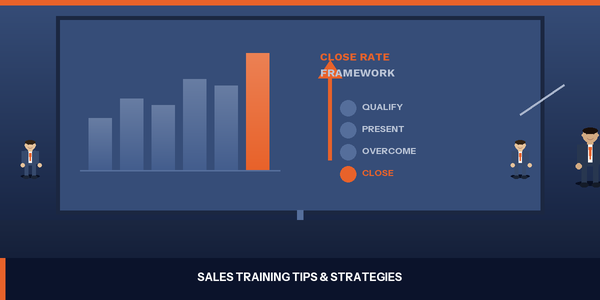
Custom Sales Training vs. Off-the-Shelf Programs: What Boston Teams Need to Know
Weighing a generic online course versus a custom-built program? It's a fair question when budget matters — but the difference in long-term results can be enormous for Suffolk County sales teams…
Read Article →
How to Build a High-Performance Sales Culture in Boston: A Complete 2026 Guide
You've hired talented reps in Boston — but if your culture doesn't reinforce the right behaviors, skills erode fast and quota attainment suffers across the whole Suffolk County team…
Read Article →
5 Signs Your Boston Sales Manager Needs Leadership Development Right Now
Your numbers may be down because your manager is managing instead of coaching. If deal reviews are just status updates and reps aren't growing, your Suffolk County team has a leadership gap…
Read Article →Why Boston Businesses Choose Sales Training Boston
If: A business in Boston has inconsistent follow-up, weak objection handling, missed quota, or reps using a different process on every call.
Then: Sales Training Boston helps the team build a repeatable sales process with clearer discovery, stronger qualification, and better accountability.
Why: Customers in Boston and nearby Suffolk County communities need sales conversations that feel consultative, organized, and easy to trust.
How: The work focuses on live coaching, role-play, pipeline reviews, objection handling practice, and sales manager accountability for businesses across Suffolk County, including areas near Fenway Park and Boston Common.
Serving Boston and Suffolk County
Sales Training Boston provides Sales Training services throughout Boston, MA 02115.
Current Weather in Boston
Local Weather
Currently 61°F and partly cloudy with winds at 12 mph (as of 2026-05-22)
Find Us in Boston
📍 Directions to Boston, MA
🚗 Driving Directions
I-90 (Mass Pike) (Exit 24):
- Take Commonwealth Avenue, US 20, MA 2, then turn left onto Essex Street
- Continue on Essex Street and arrive at Essex Street, MA 2, on the left
- Arrive in Boston, MA
Quick Contact
Boston, MA 02115
We provide Sales Training services throughout Boston, MA. Our service area covers all of Suffolk County and extends to neighboring communities.
Have a Question? We're Ready to Help.
Contact Sales Training Boston today for a free, no-obligation strategy session on your Sales Training program in Boston, MA. Call us at 508-561-8276 or reach out below.